

glass tempered glass
Understanding the 250mm Butterfly Valve A Key Component in Fluid Control The butterfly valve is an essential component in various industrial applications, primarily designed to regulate the flow of liquids and gases. One specific type that stands out in the market is the 250mm butterfly valve, which has gained popularity due to its efficiency, reliability, and compact design. Understanding the 250mm Butterfly Valve A Key Component in Fluid Control One of the key advantages of the 250mm butterfly valve is its simple operating mechanism. It can be operated manually, mechanically, or electronically, which allows for versatility in different applications. Manual operation typically involves a lever or handwheel, while automated versions use electric or pneumatic actuators for remote or automatic control. This flexibility makes the butterfly valve highly adaptable to various process requirements. butterfly valve 250mm In terms of materials, 250mm butterfly valves are available in a variety of specifications to suit different environmental conditions. Common materials include stainless steel, PVC, and cast iron, which offer durability and resistance to corrosion. Manufacturers often provide various lining materials, such as EPDM, Viton, or PTFE, to enhance seal integrity and chemical compatibility. Installation and maintenance of the 250mm butterfly valve are relatively straightforward. Their compact design allows for installation in tight spaces, and they can be easily integrated into existing piping systems. Regular maintenance, such as inspecting the seals and actuator, ensures optimal performance and extends the lifespan of the valve. In conclusion, the 250mm butterfly valve serves as a vital element in fluid control systems across many industries. Its efficient flow characteristics, flexible operating options, and robust construction make it a preferred choice for engineers and operators alike. As industries continue to push for improved fluid handling solutions, the butterfly valve will remain a cornerstone in achieving effective and reliable system performance. Whether in water supply management or complex chemical processing, understanding and utilizing the 250mm butterfly valve can significantly enhance operational efficiency and reliability.
about
glass tempered glass
How to Use a Spirit Level A Comprehensive Guide A spirit level, also known as a bubble level, is an essential tool for anyone working in construction, woodworking, or DIY projects. Its primary purpose is to determine whether a surface is horizontal (level) or vertical (plumb). Using a spirit level correctly is crucial for ensuring accuracy in your work. This article will guide you through the process of using a spirit level effectively. Understanding the Spirit Level A typical spirit level consists of a straight edge made from materials like aluminum or wood, with one or more vials filled with liquid. Each vial has a bubble that indicates whether the surface is level. When the bubble is centered between the two marked lines in the vial, the surface is level. Spirit levels come in various lengths, ranging from small pocket-sized versions to long construction levels, which are useful for larger projects. Preparing for Use Before you begin, gather your materials and choose the appropriate spirit level based on the project you are working on. A small level may suffice for picture frames or shelves, while a larger level is ideal for larger structures like cabinets or fences. 1. Select the Surface Identify the surface you wish to check. This could be a shelf, a piece of furniture, or a wall. Ensure the area is free of obstructions that could affect your measurements. 2. Clean the Surface If necessary, clean the surface to remove any debris or dust that might interfere with accurate readings. Using the Spirit Level spirit level how to use 1. Position the Level Place the spirit level on the surface you want to check. Ensure that the entire level is in contact with the surface for the most accurate reading. 2. Read the Vial Observe the bubble in the vial. The bubble should be between the two lines. If it is centered, the surface is level. If the bubble is towards one end, the surface is not level. 3. Adjust if Necessary If the surface is not level, make necessary adjustments. For example, if you’re installing a shelf, you may need to add shims under one end to raise it or reposition the bracket. 4. Check in Multiple Directions For comprehensive accuracy, it’s crucial to check the surface in both horizontal and vertical orientations. Rotate the level 90 degrees and place it again to determine if the vertical alignment is correct. Additional Tips for Precise Measurements - Use a Reliable Level Ensure your spirit level is not damaged. Even small imperfections can lead to significant errors in measurement. - Calibrate Your Level Occasionally check the accuracy of your level against a known level surface. To do this, place the spirit level on a flat surface, note where the bubble lies, then flip it end to end. The bubble should be in the same position. If not, your level may need calibration or replacement. - Practicing Patience Take your time while measuring. Rushing can lead to mistakes that might affect the entire project. Conclusion Using a spirit level may seem straightforward, but taking the time to understand how to use it correctly can make a significant difference in the quality of your work. By following the steps outlined in this guide, you will ensure that your surfaces are level and plumb, leading to professional-quality outcomes in your projects. Whether you are hanging a picture frame, installing shelves, or constructing a new piece of furniture, a spirit level is an indispensable tool in your toolkit. Remember, accurate leveling not only improves aesthetics but also enhances the functionality and longevity of your work. Happy leveling!
-

High quality industrial productsagement

High quality industrial products
View Details -

Meet the diverse needs of customers

Meet the diverse needs of customers
View Details -

Strict quality control

Strict quality control
View Details -

Top raw materials

Top raw materials
View Details -

Trusted supplier

Trusted supplier
View Details
Our application


news and information
Válvula de retención de 25 mm para sistemas de plomería y fluidos industriales
25mm check valve .
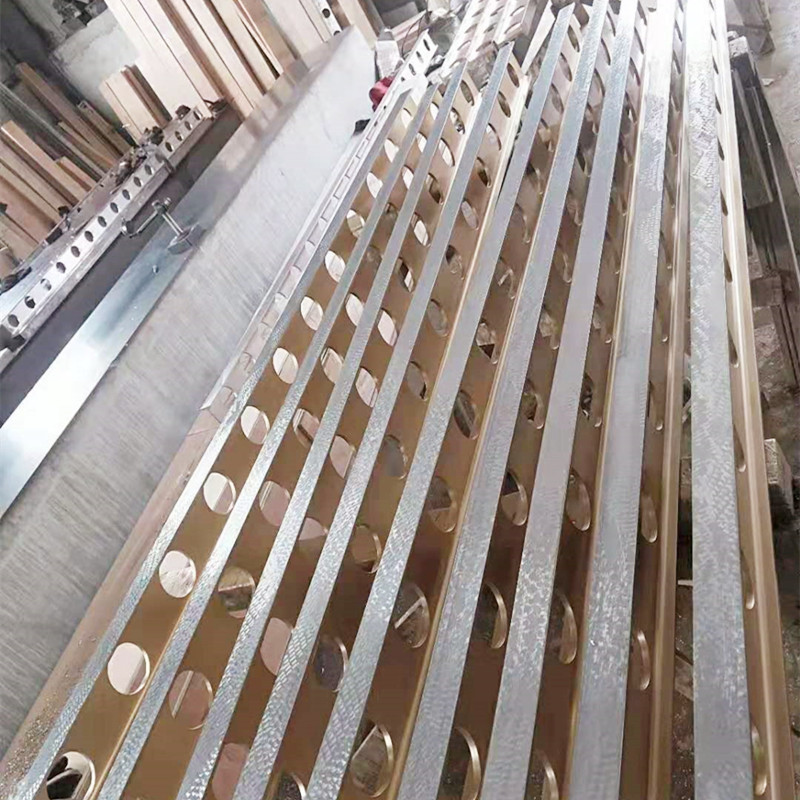
Welding Tables Available for Purchase Online at Competitive Prices
When it comes to welding projects, having the right equipment is crucial to ensure efficiency and qu
What is a Spline Ring Gauge_ Understanding Its Role in Precision Measurement
In the world of precision engineering and manufacturing, accurate measurements are the foundation fo
 English